
by Louisa Ponnampalam on 8 September 2025
Arrival to Maldives
Arrival day into a very rainy Maldives. My first time. I’d forgotten that the southwest monsoon is still whirling! މޯލްޑިވްސް އަށް މަރުހަބާ (moaldivs ah maruhabaa – Welcome to the Maldives!) 🏝️
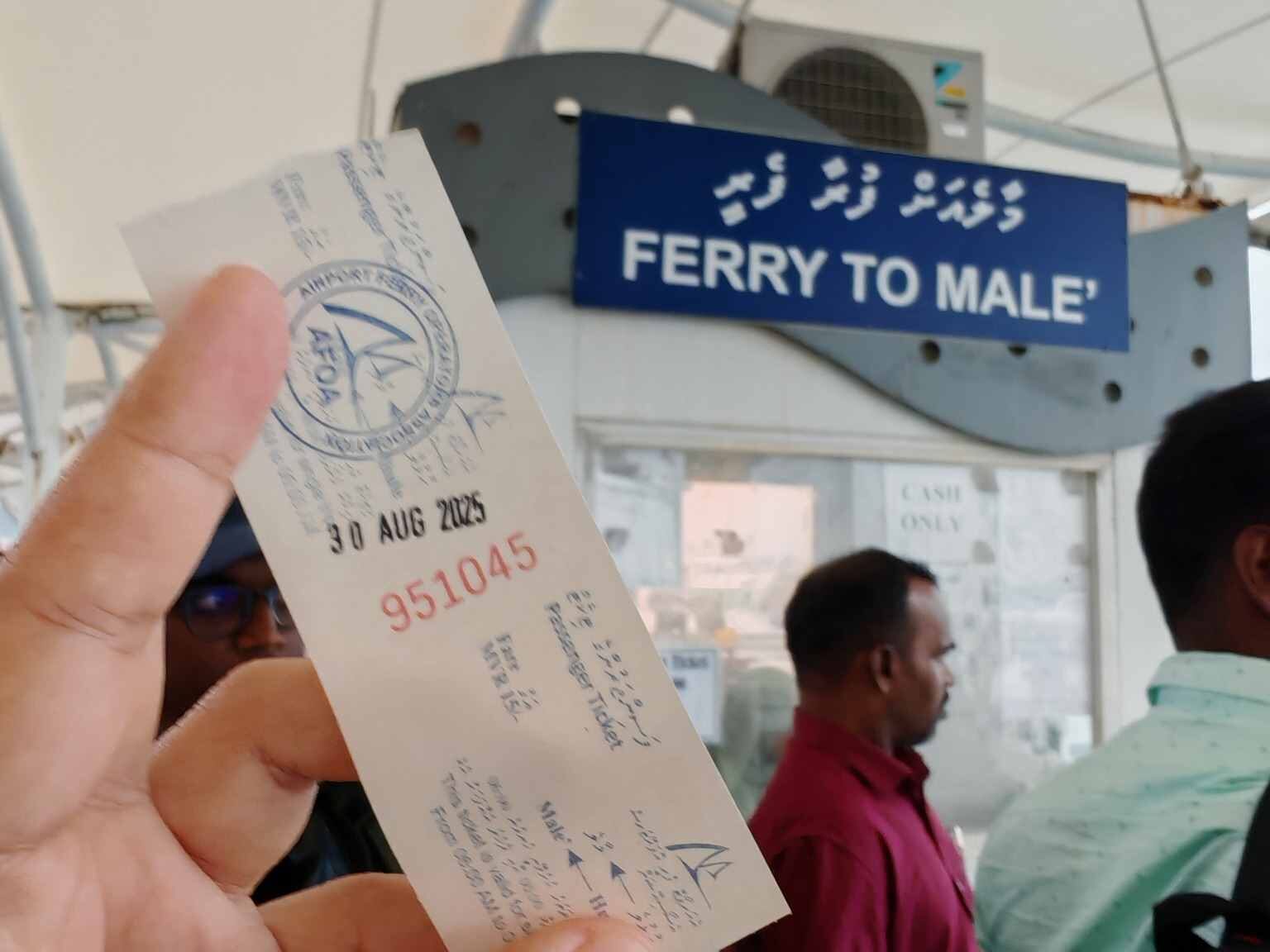
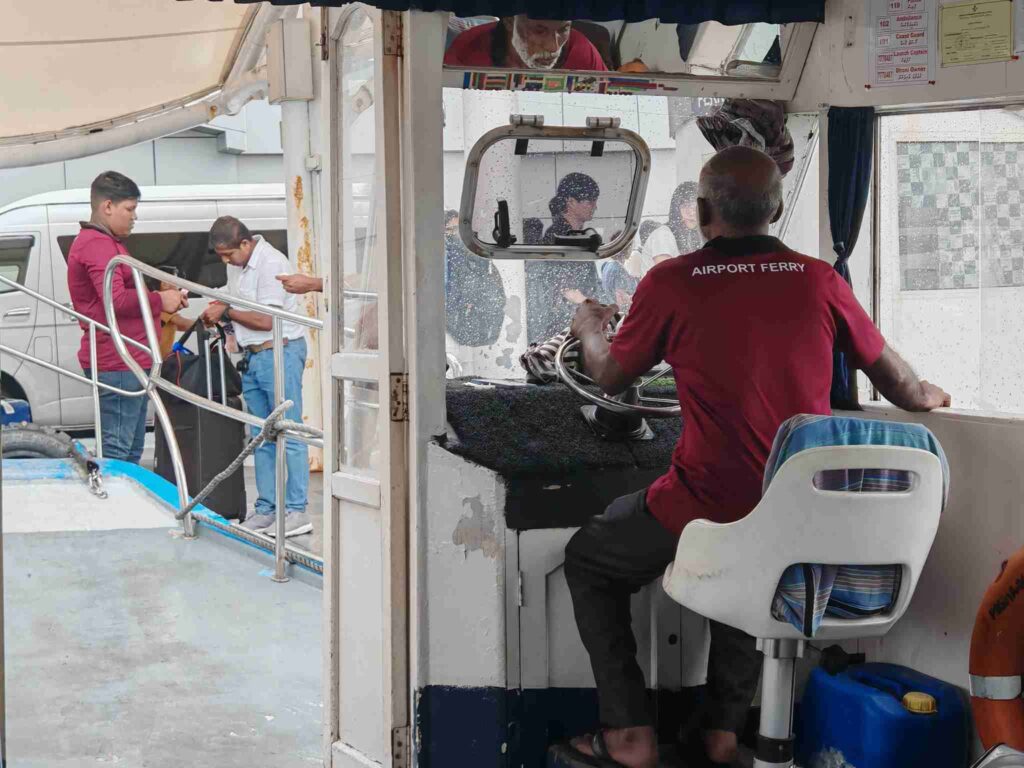
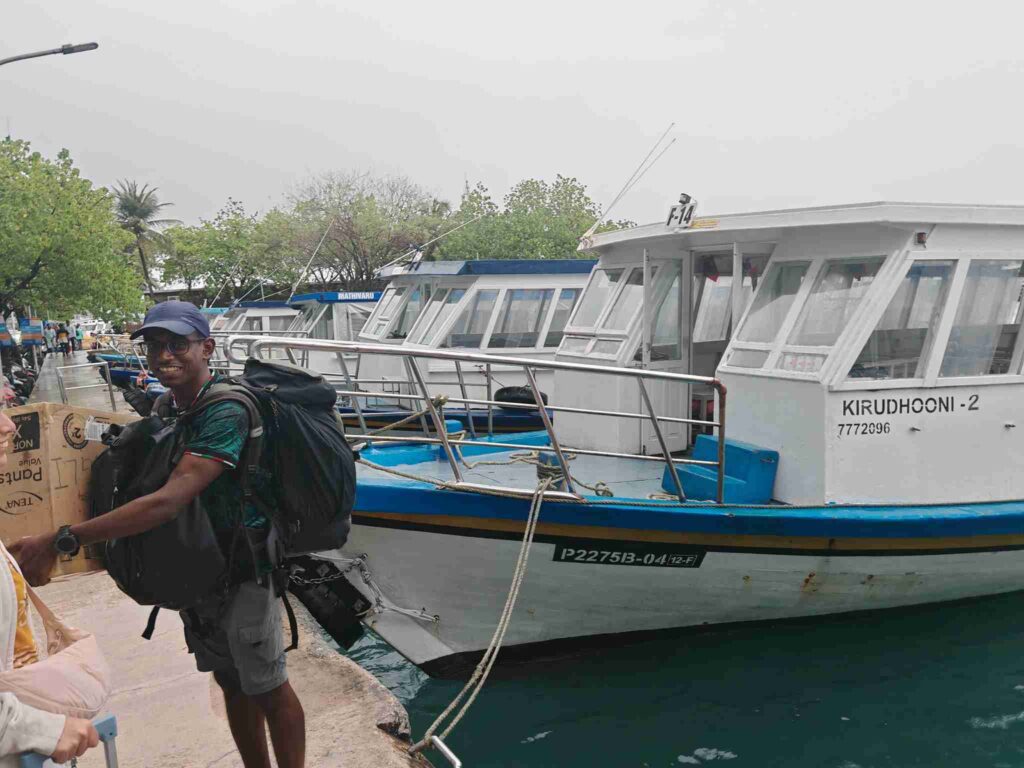
Chaotic airport. A warm welcome by a familiar Malaysian face in the middle of the Indian Ocean. A short ferry transfer to Malé that took longer than usual because the boat’s steering wheel jammed.
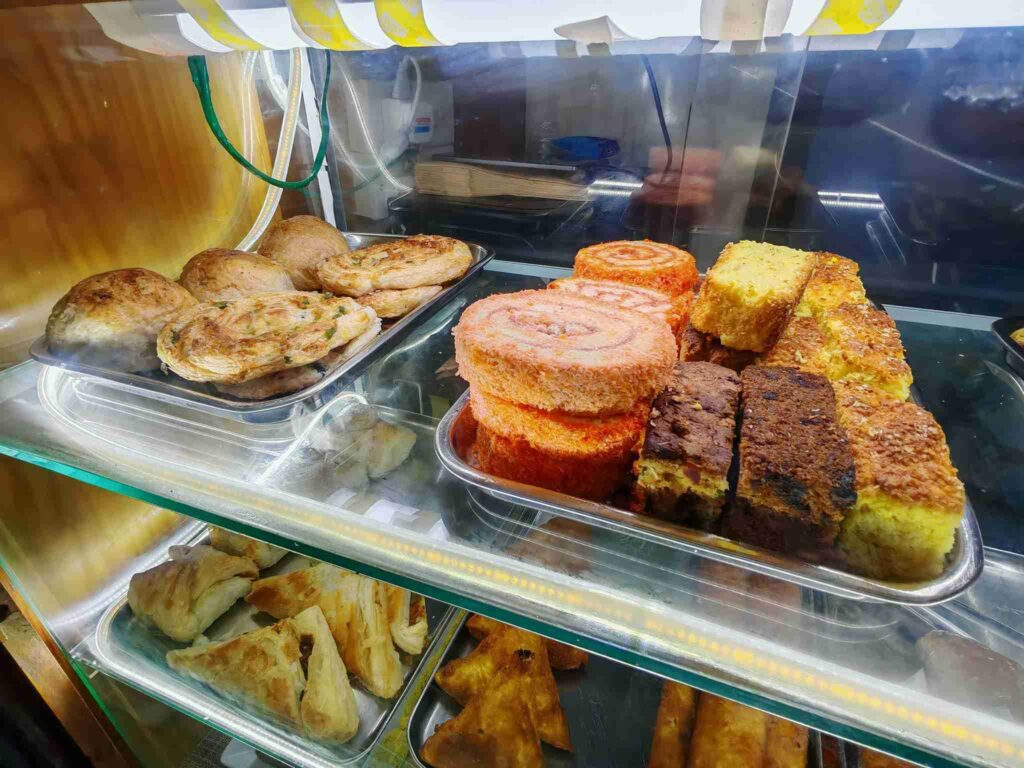
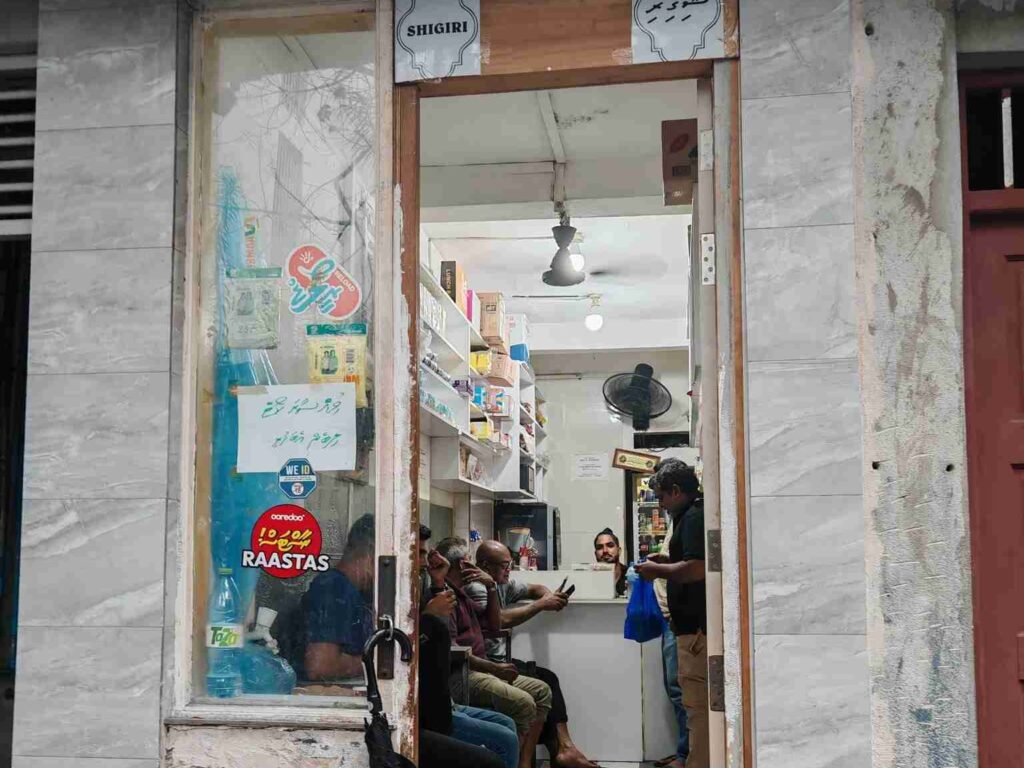
Walking around Malé felt similar to being in Ruwi, in Muscat, Oman. Lots of shops tucked away down narrow lanes, and lots of shops the size of a narrow corridor. Samosas and sweets on many road corners. Tried a spicy boava roll – a traditional Maldivian roti canai-esque roll stuffed with spicy octopus. 🐙
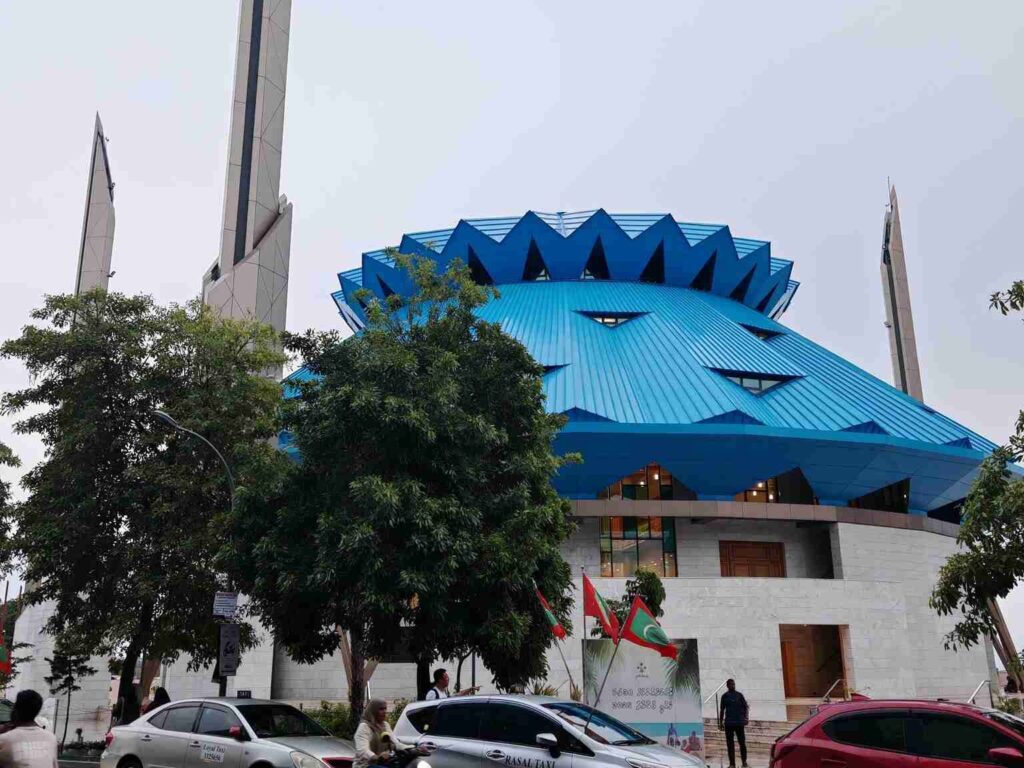
Dolphins following me around – on plane tails and hotel rooms. Whale sharks and mantas featured on many things here. There’s even a local airline called Manta Air 🩵. Their staff uniform has lots of manta rays on it. Intrigued by Dhivehi, the Maldivian national language and its script known as Thanaa. I’ve never been exposed to it before, so learning something new, which is nice. It sounds like Arabic but not, and looks a little like Arabic but not. އަހަންނަށް ފެންނަނީ ޝައުގުވެރި ކަމެކެވެ (I find it interesting)
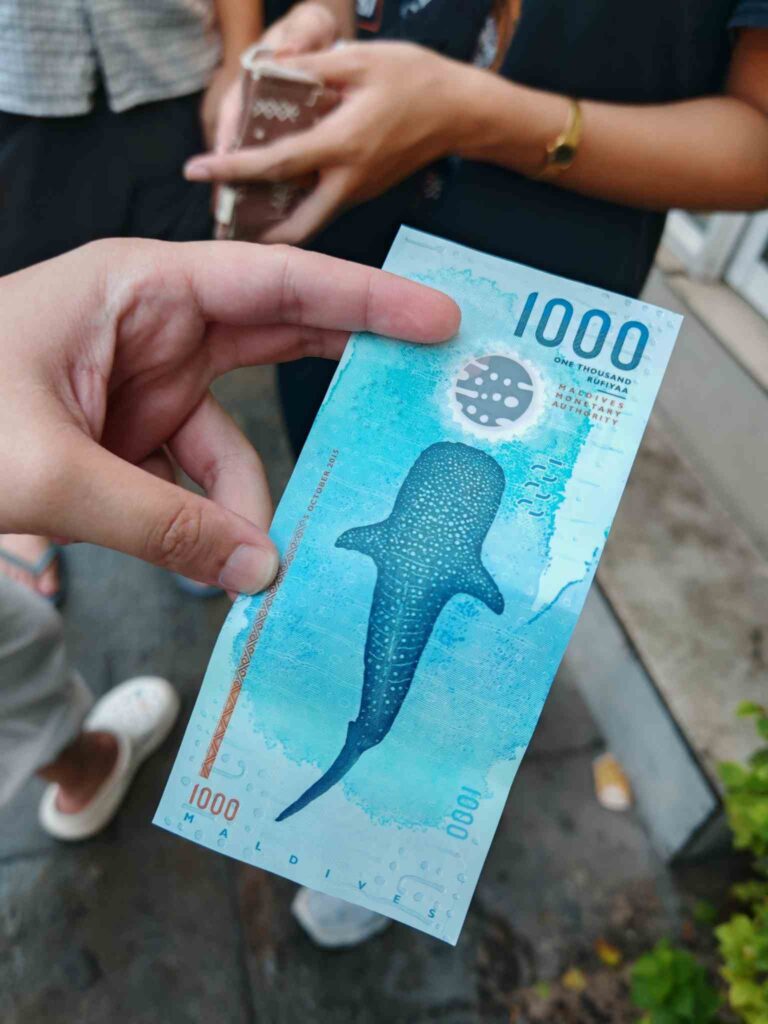
At the money changer, I wasn’t lucky enough get the famed 1000 Maldivian rufiyaa note that bears the image of a whale shark. It converts to approximately RM280. Someone else in the group did, and so I took a photo.
Malé Fish Market Visit
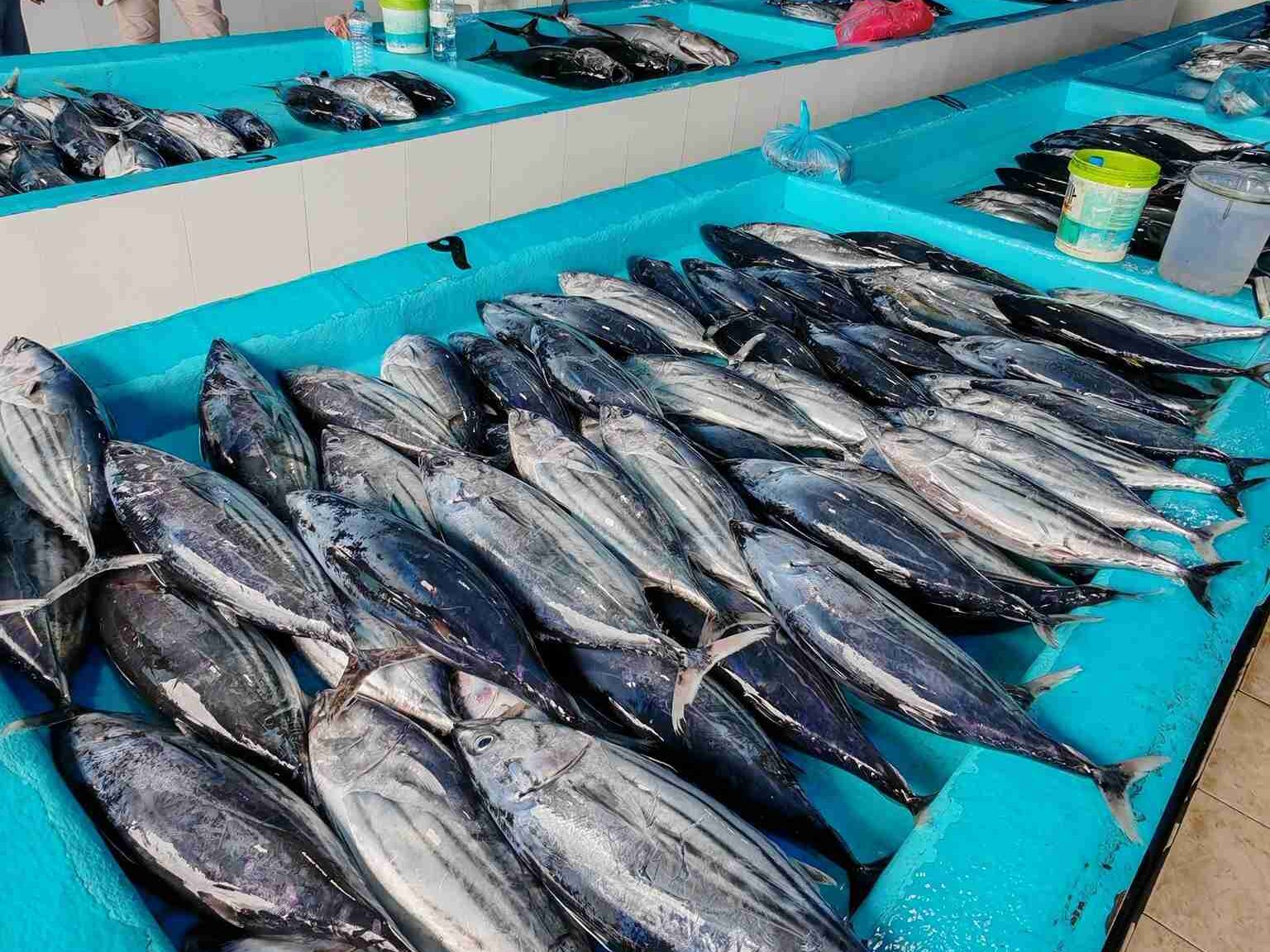
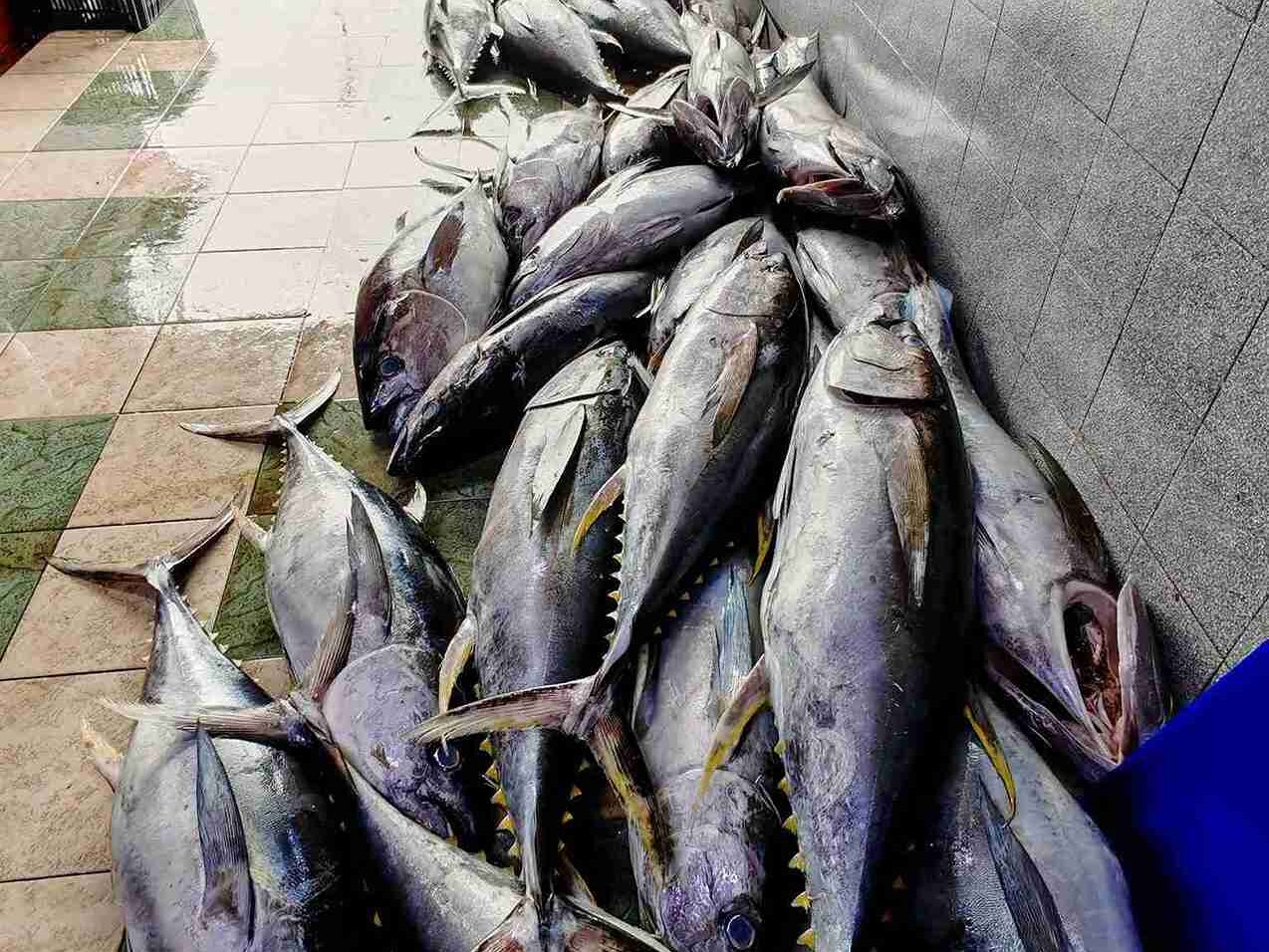
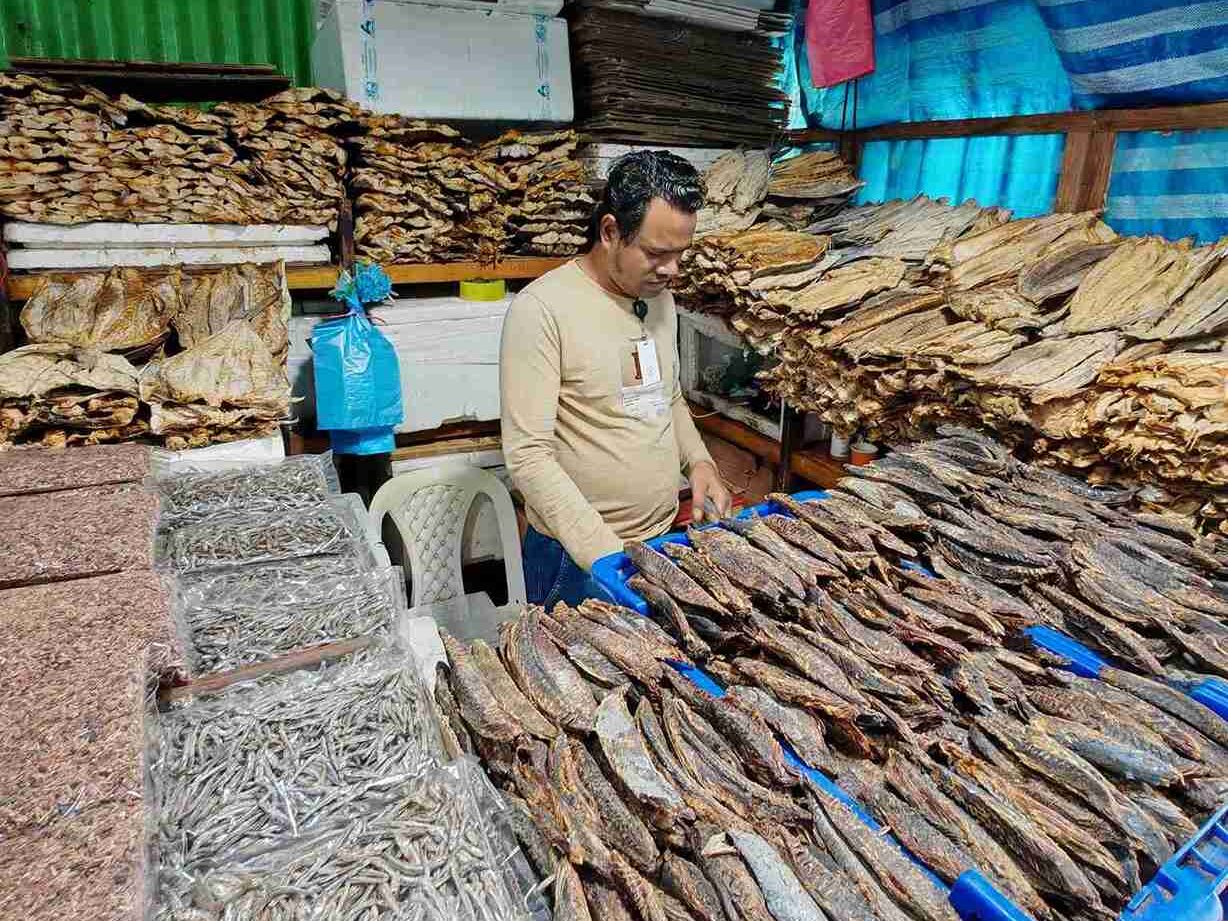
🐟 Tuna. The pulse of Maldivian cuisine. The main (and cheapest) protein source that feeds the entire nation and all who visit from afar. And at the Malé fish market, is where tuna in all its form is sold – fresh from the sea, dried, salted, smoked, flaked, pebbled, minced in with chilli flakes, and ground into a peanut butter-esque paste. That said, eating tuna in sashimi or poke form doesn’t seem to be a thing here.
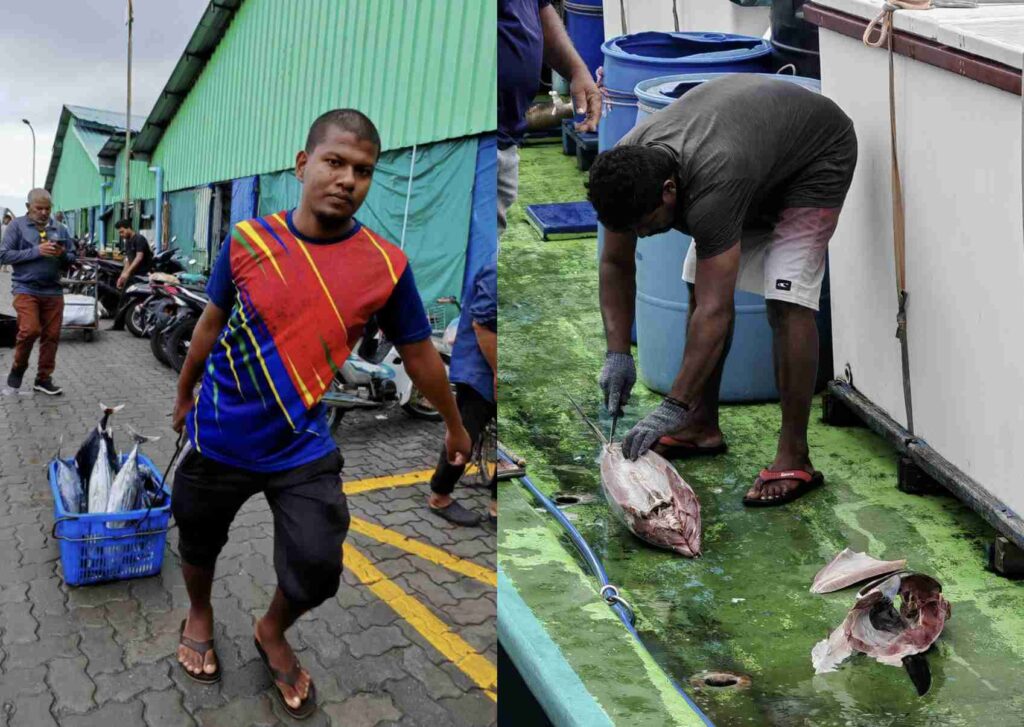
Lots of yellowfin tuna are landed daily, along with smaller tuna such as skipjack tuna. The fish mongers are very skilled, cutting up and flensing ginormous yellowfin so easily, like eating chips. They could probably do it with their eyes closed. To a lesser extent, reef fish are sold too. Sharks and rays are locally revered, and thus are not eaten here at all, so none to be found at the fish market.
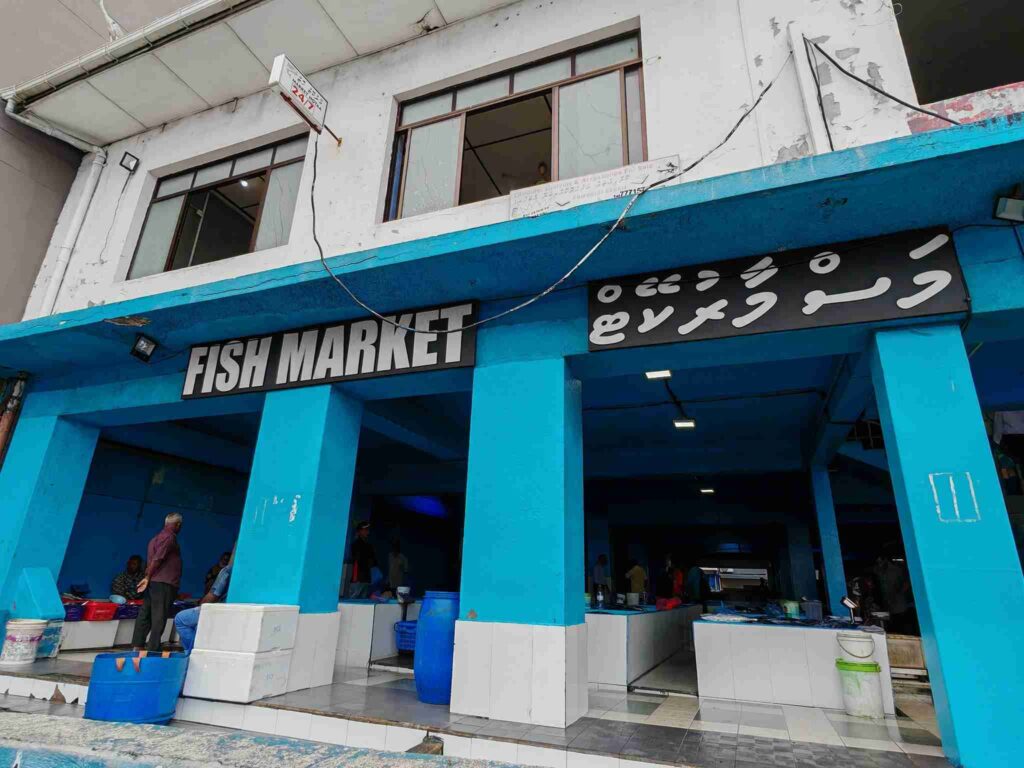
There’s the wet section (the actual fish market) and the dry section, where all the dried and smoked tuna are sold. The latter area looks like a wood storage cabin, because the stacks of dried and smoked fish look just like cabin logs.
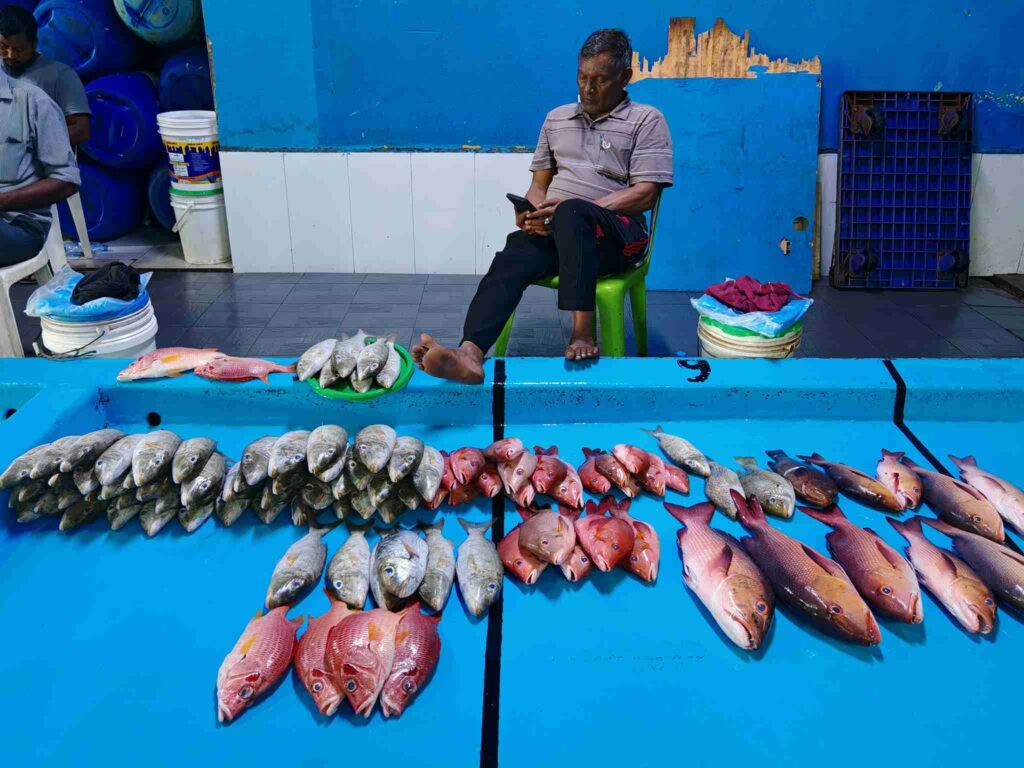
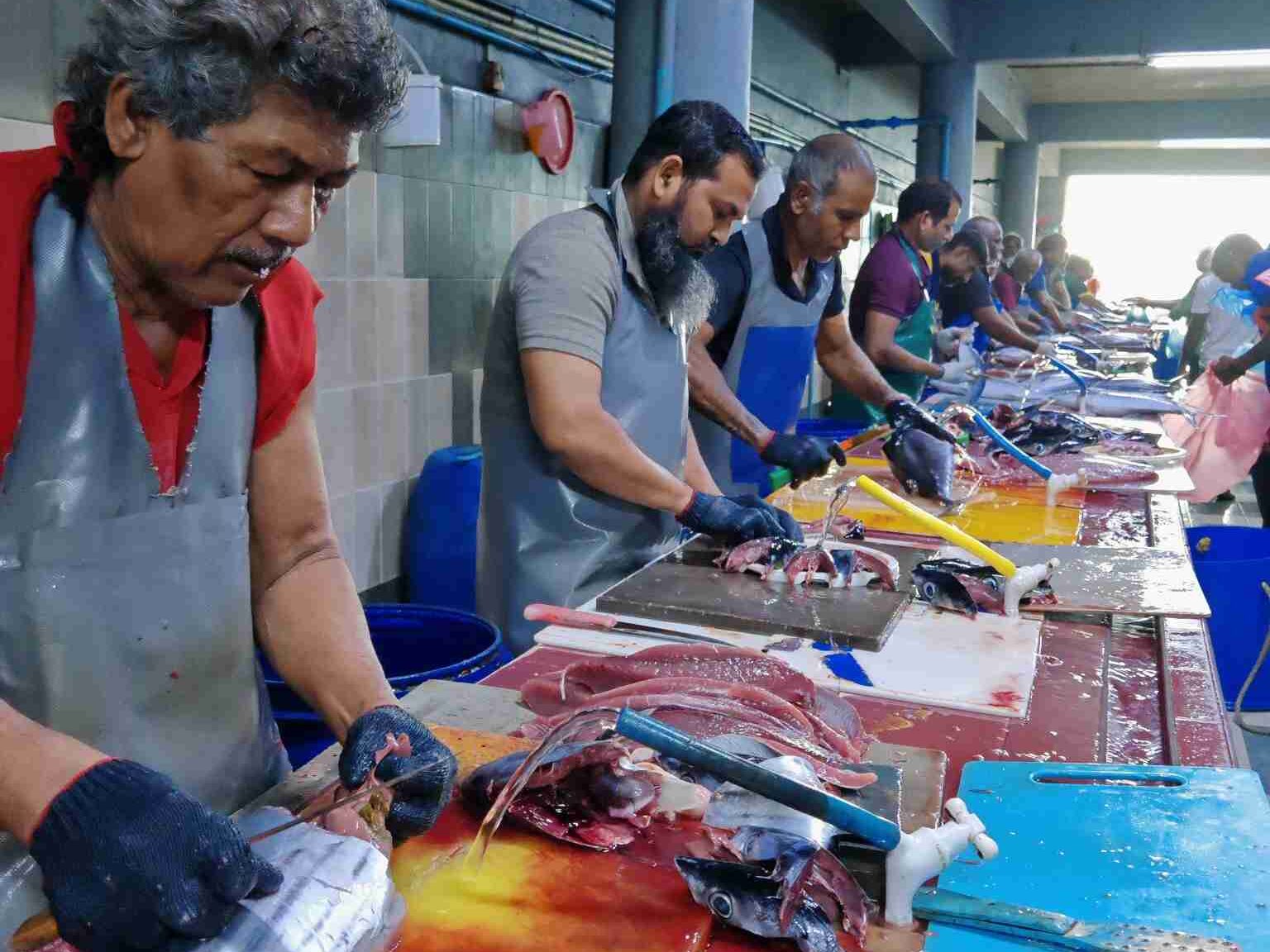
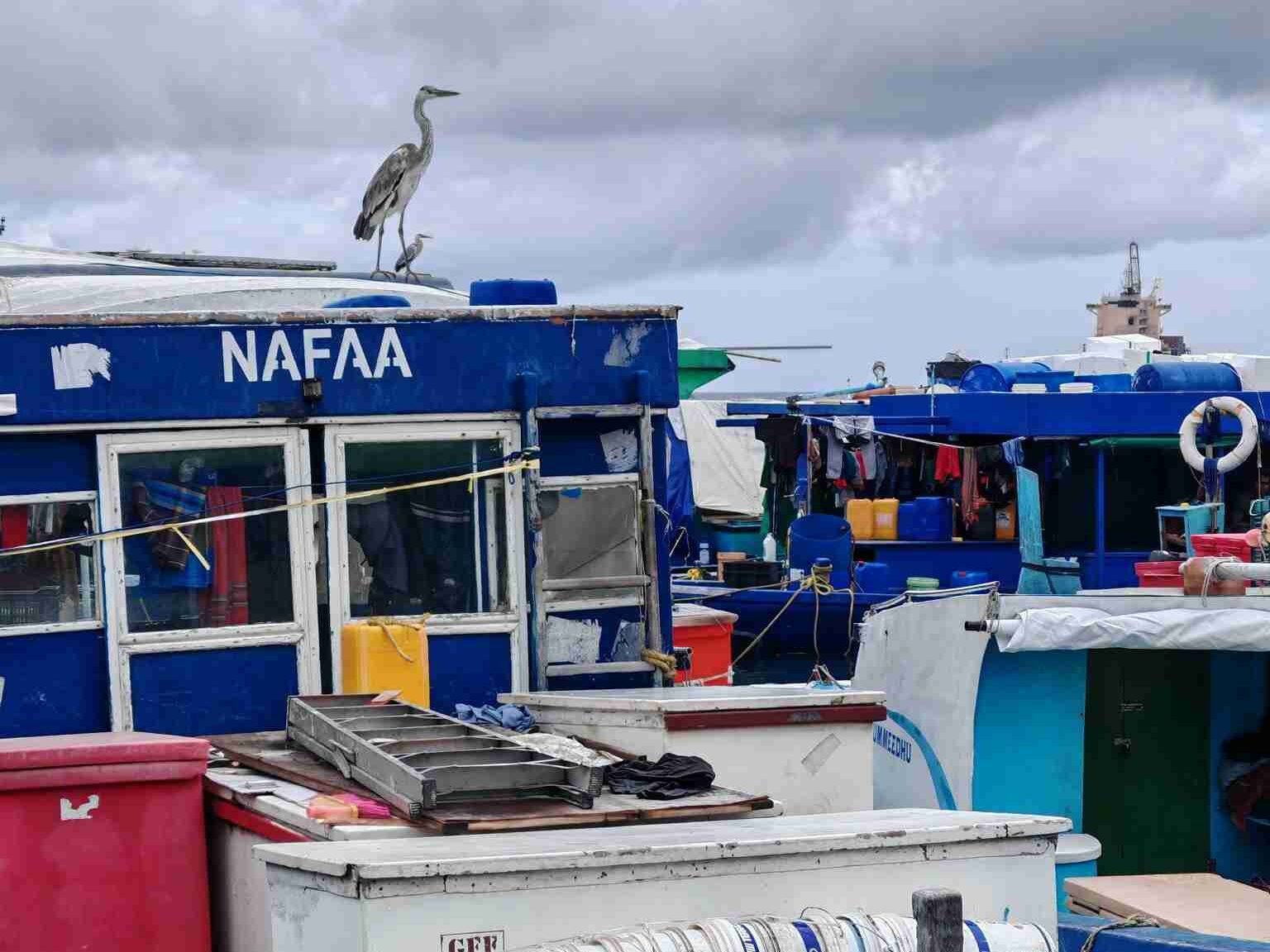
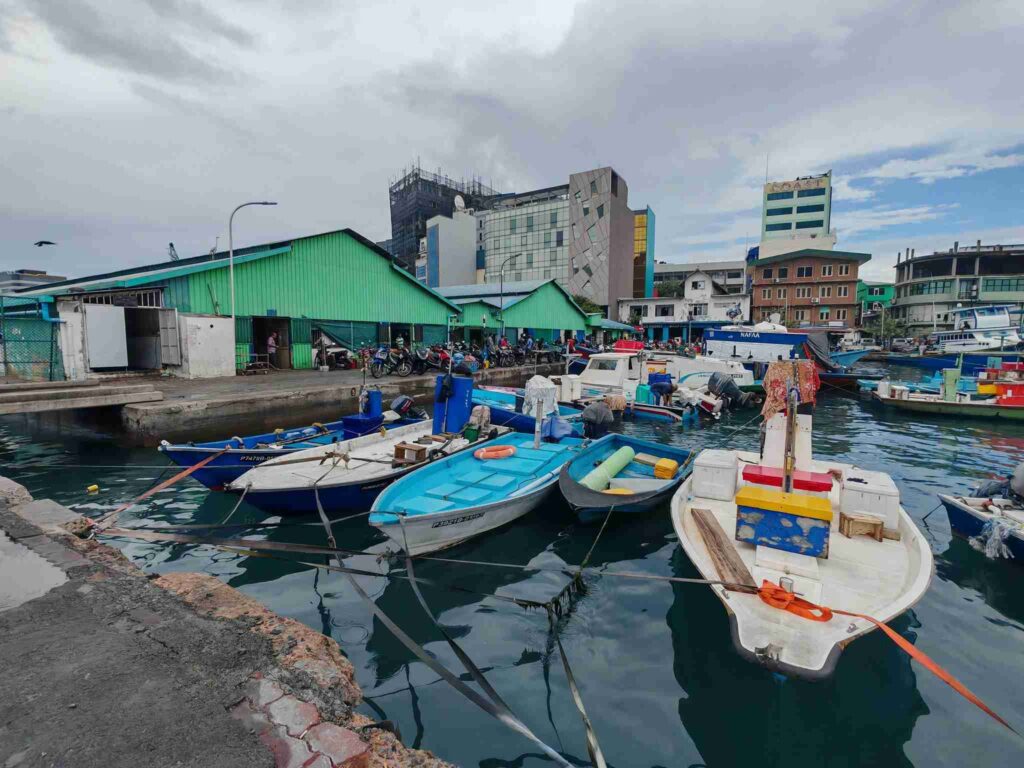
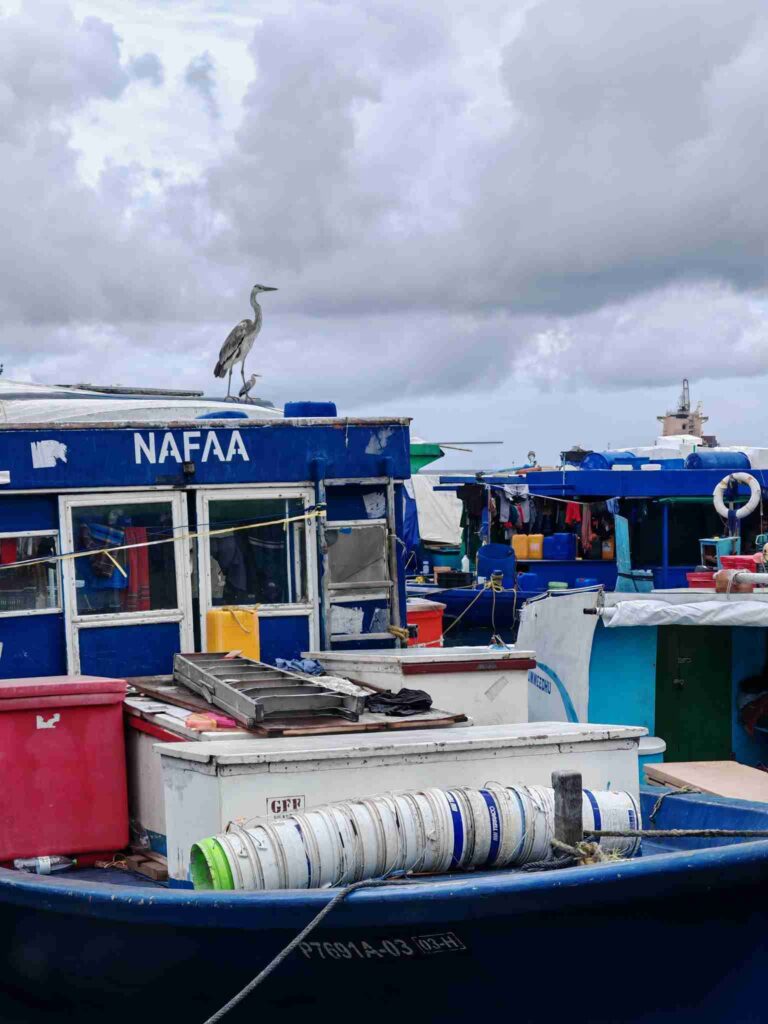
Outside where the boats are docked, and where some fishermen flense the tuna onboard, the maakana (i.e. Grey heron) wait around for the scraps of tuna offal that are thrown into the water. Some stingrays come around too for the freebies.
Definitely worth a stroll around if ever you’re in Malé… if you’d like to observe how in tune Maldivians are with tuna.
Malé Fruits & Vegetable Finds
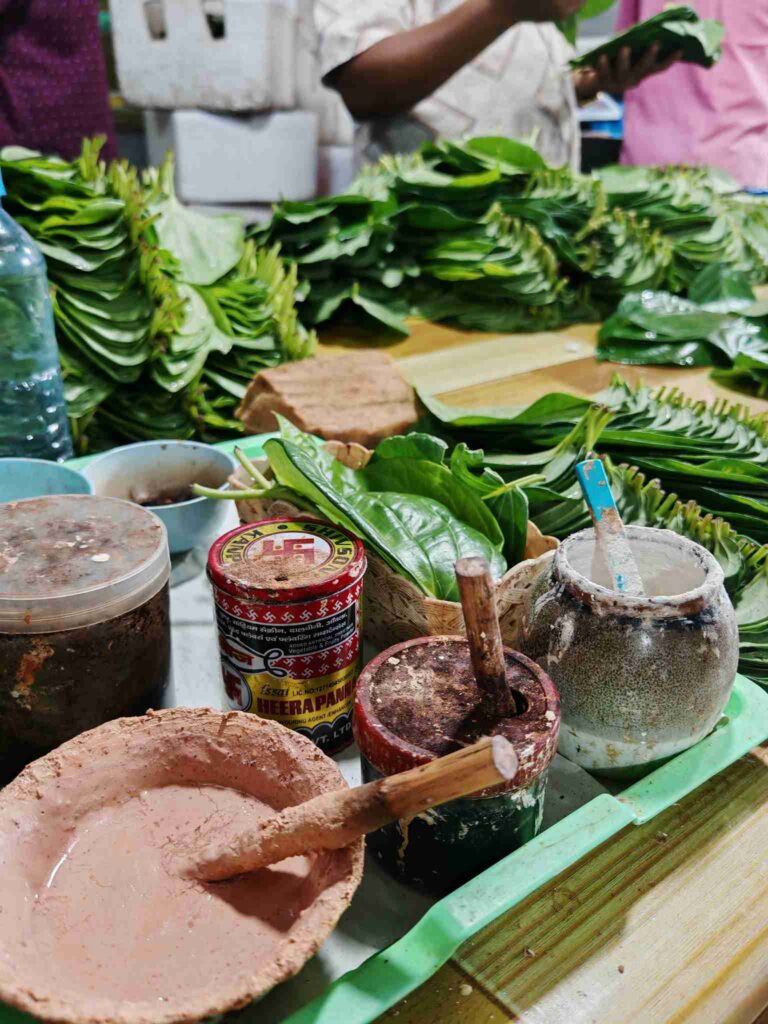
Sharing the same building as the smoked tuna section of the fish market are copious amounts of vegetables, fruits, betel nut chewing sets (known as dhufun in Dhivehi), dried goods and an assortment of local sweets and snacks. 🍬
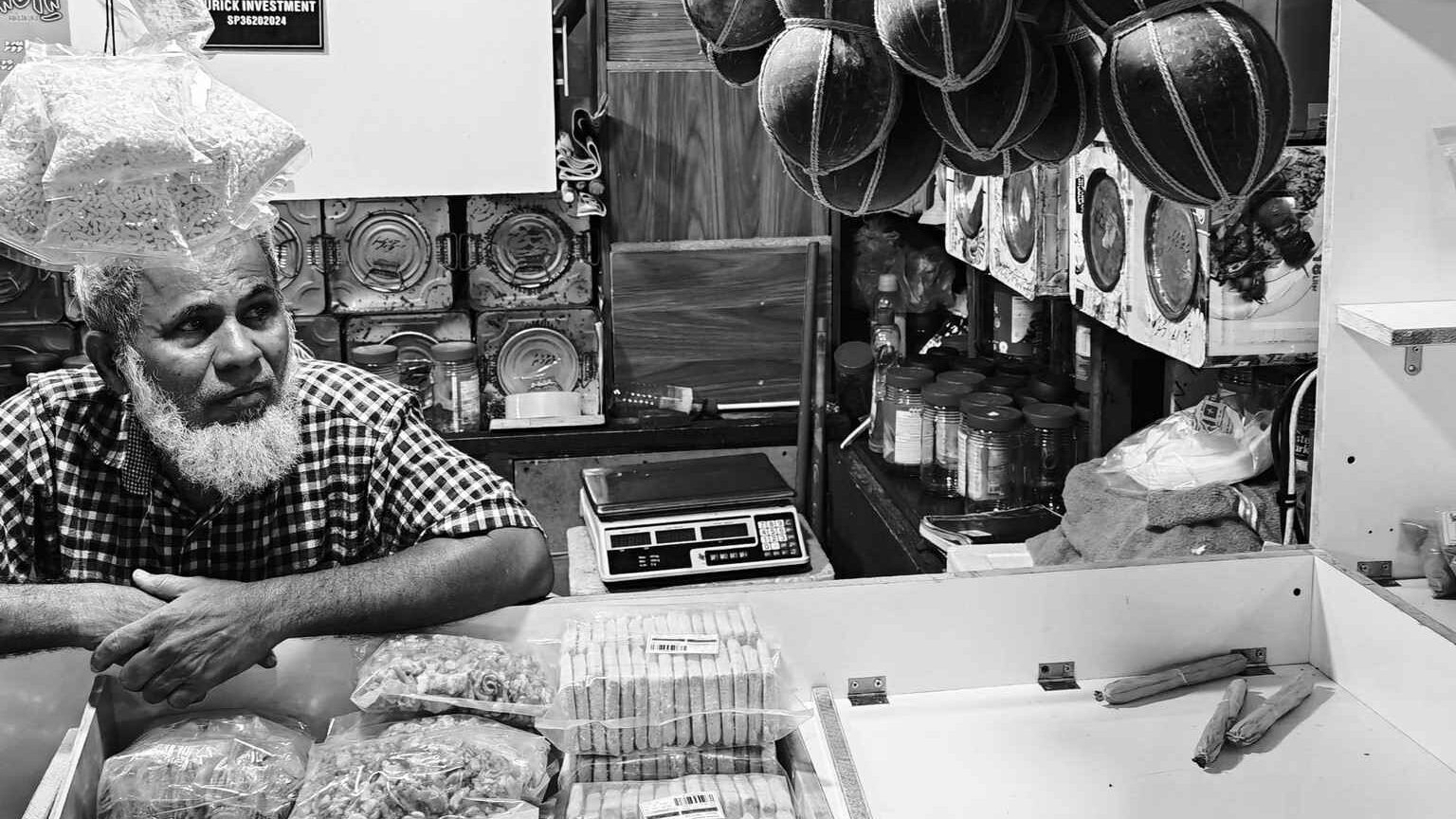
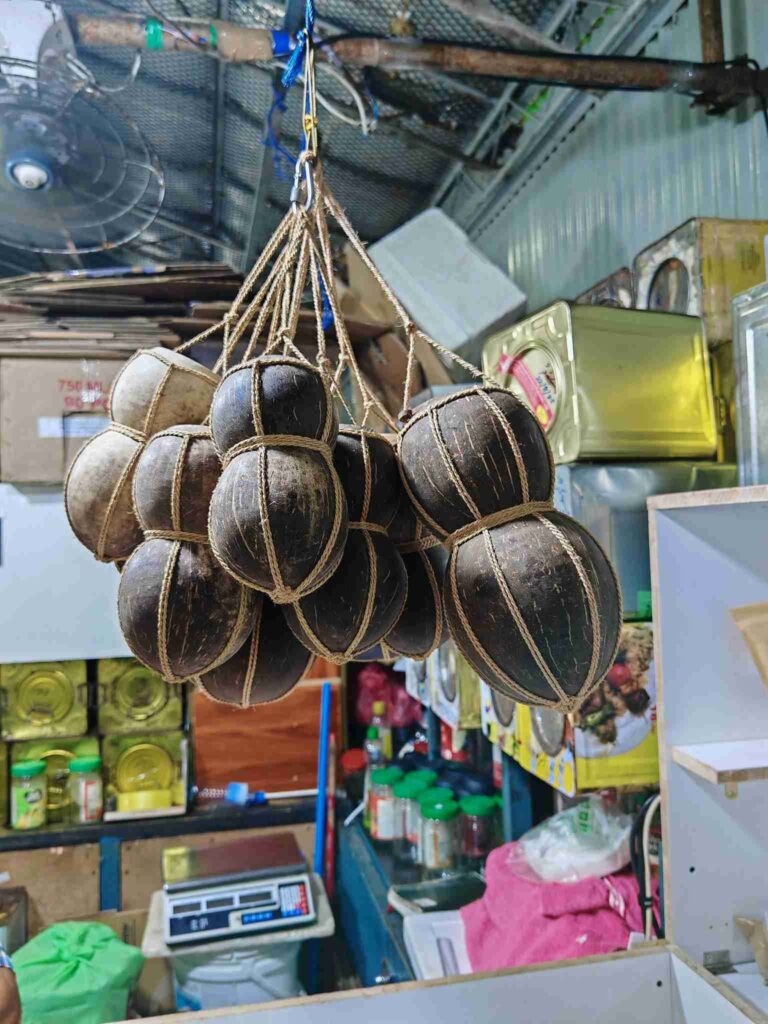
Here is also where one can buy the raa bandhi, traditional Maldivian vessel made of two coconut husks stacked on each other, used to collect toddy. 🥥
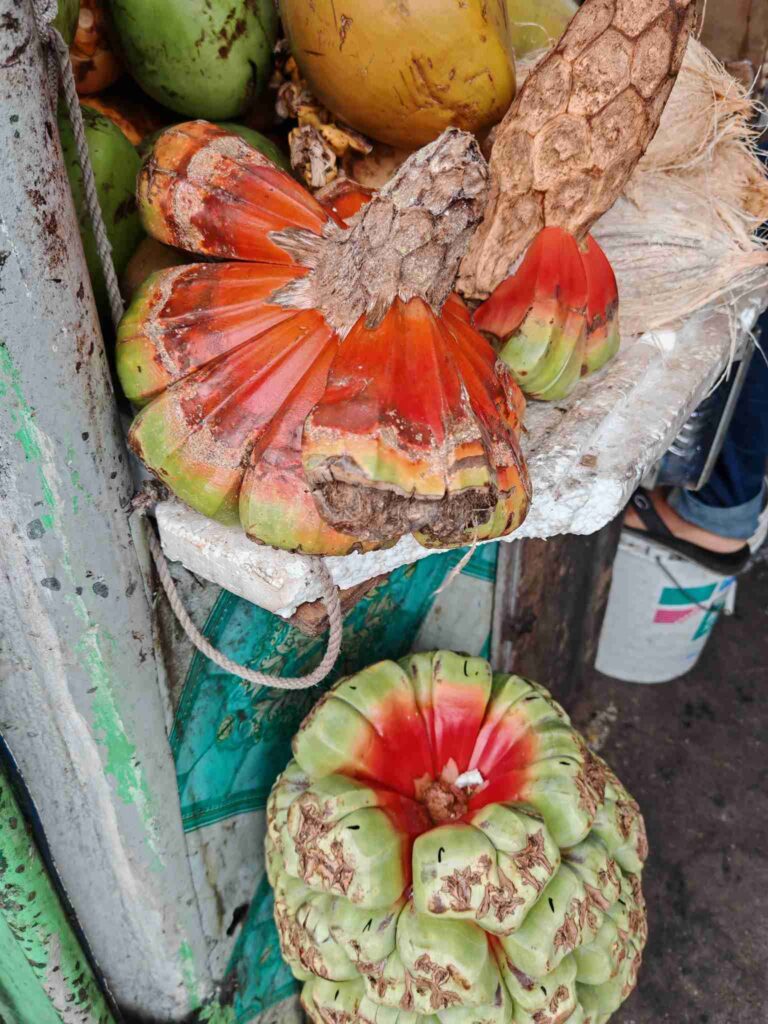
No shortage of bananas or coconuts at this market. Huge combs of bananas sit on the ground, and hang from the ceilings – you’d be hard pressed to choose the best ones. I found it interesting that the fruit of the sea pandanus, known as kashikeyo, is consumed here. We don’t typically have any consumptive use for it in Malaysia, as far as I’m aware.
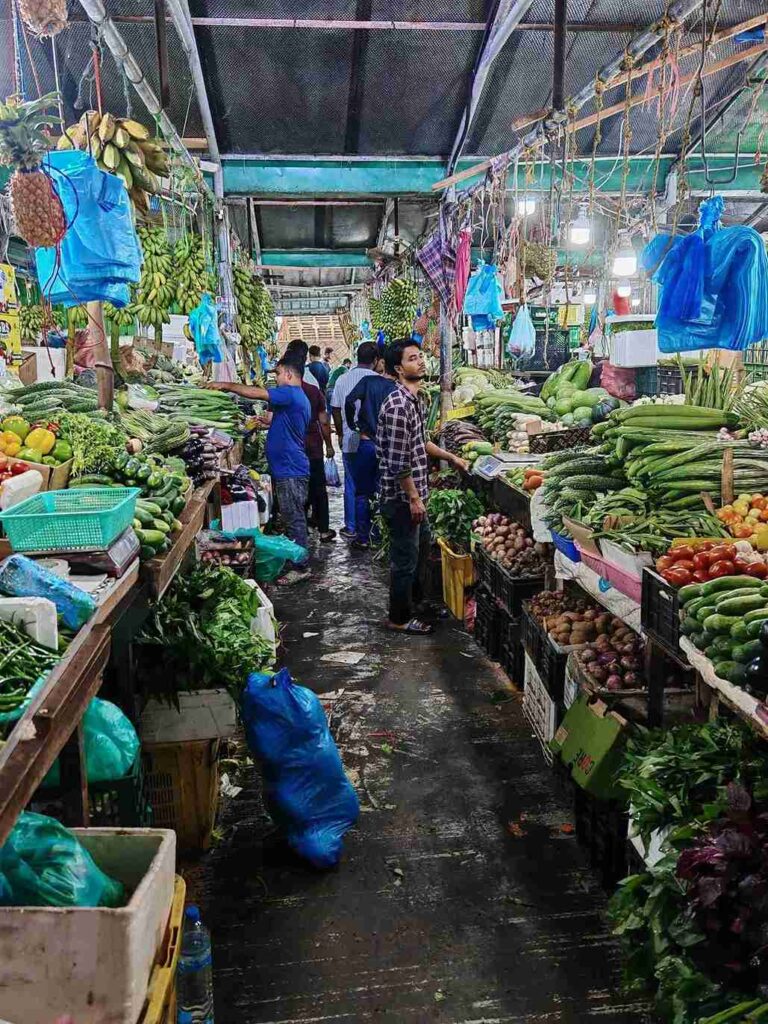
In the Maldives, there are islands specifically designated for the growing of bananas only, and for growing vegetables as well. What’s not grown on these atolls are imported from Sri Lanka or India. Despite the fact that I saw so much (and so many types of) vegetables sold at the market, I didn’t see most of them appear in the local foods that I ate at the eateries during my trip. So how then, are these vegetables cooked, and where…?
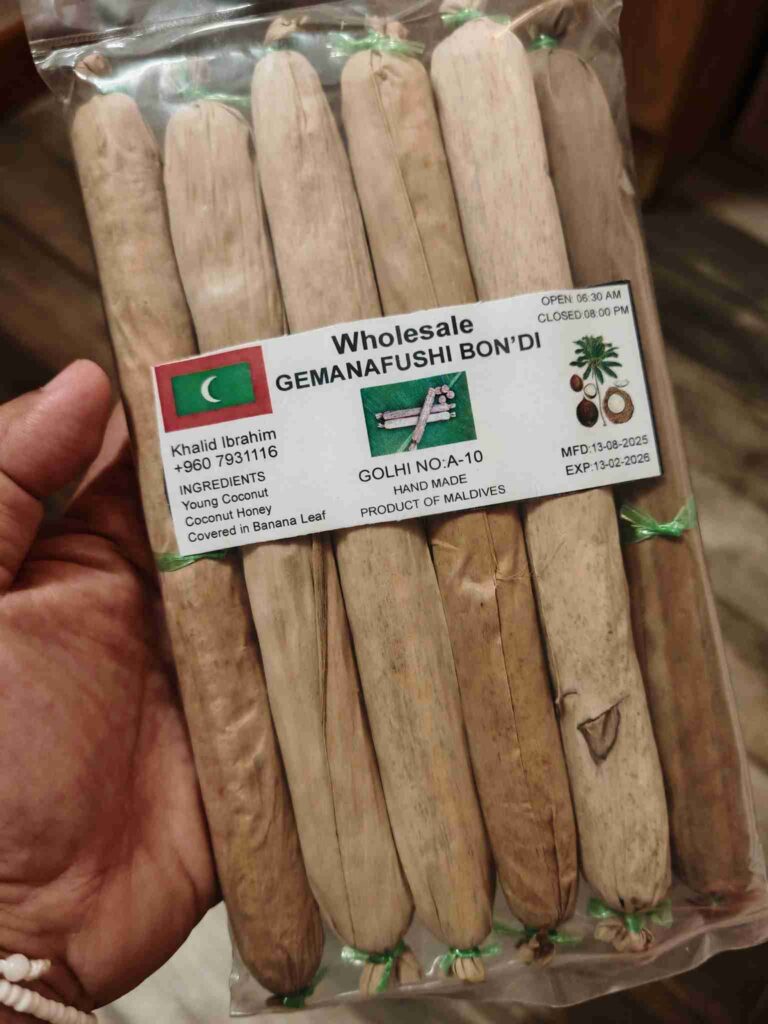
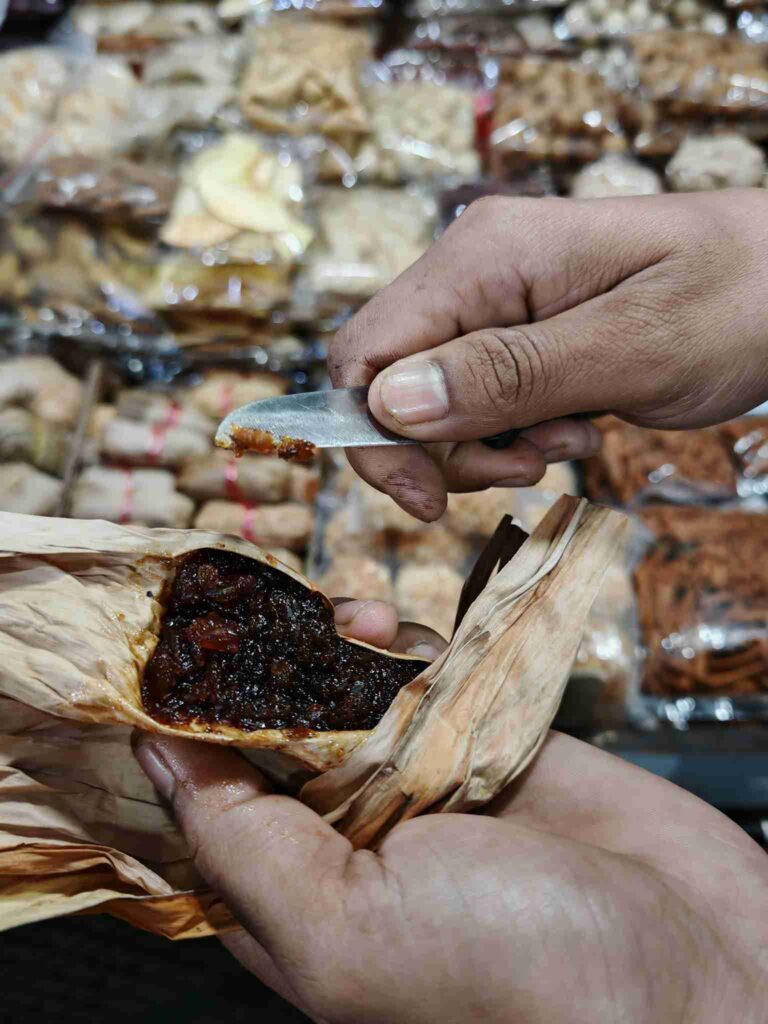
They make a semi-sweet grainy textured coconut candy here, called bon’di, that’s wrapped in dried banana leaf. Quite tasty, and tastes similar to our Malaysian coconut candy, albeit still a little different. They also make their own versions of dodol – from jackfruit, which tastes like nian gou, and from glutinous rice that’s heavily spiced, thus not everyone’s cuppa tea. 🫔
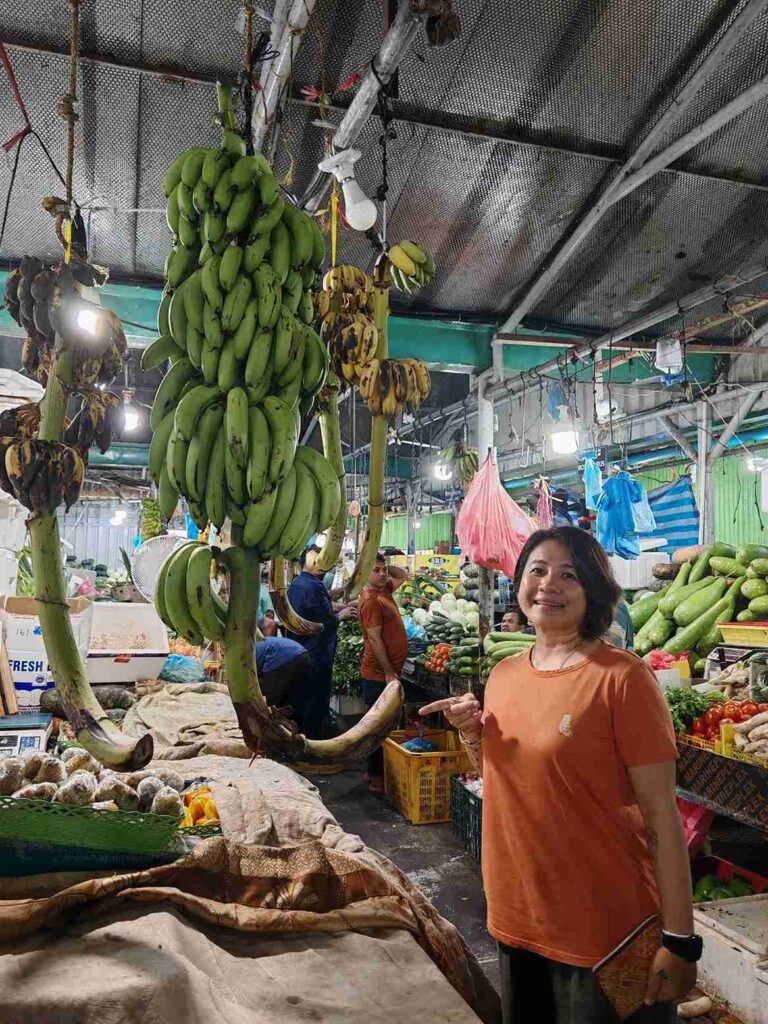
Markets. Pasar. Talaad. Souq. Whatever they’re known as around the world, wandering around local markets always intrigues me and makes me happy. It always feels like some sort of a lesson in life and living 🩷💛🧡🤎
Click here to read Louisa’s next article covering her arrival on the local island of Fulidhoo, Vaavu Atoll.
Got an experience to share? Write to us at hello@mowgliventure.com !
Check out our other Travel Stories, Tips & Recommendations: